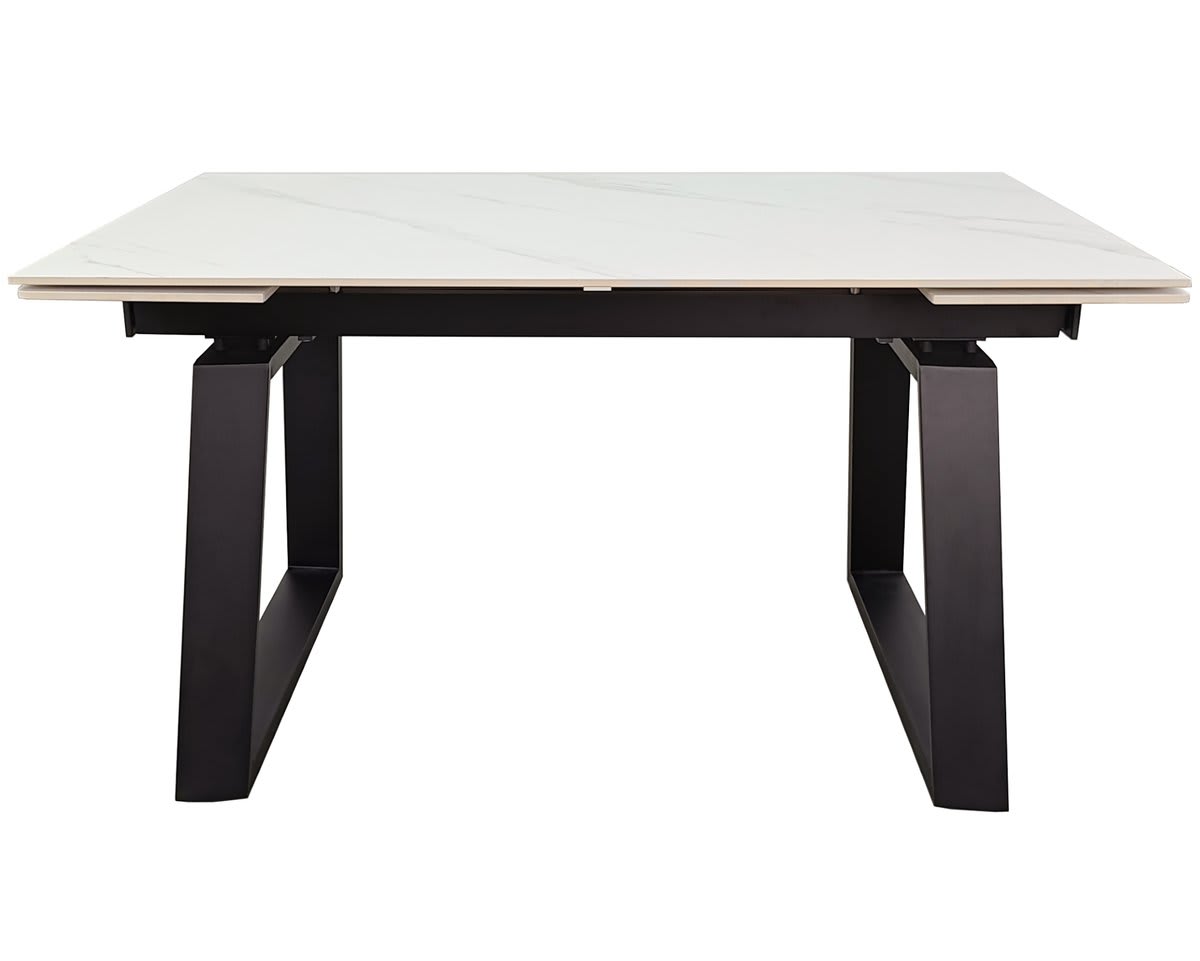
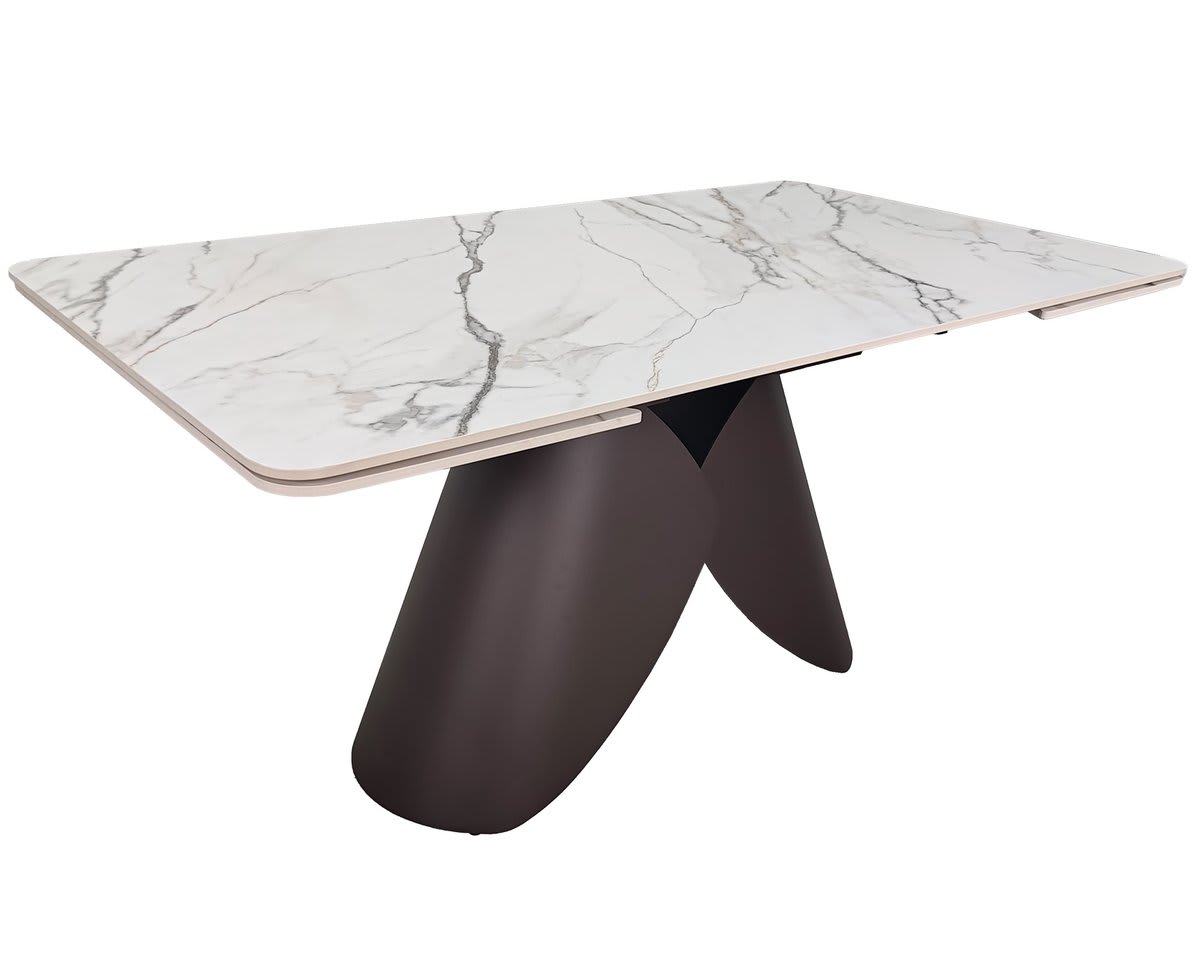
Glass or ceramics: which countertop to choose
Both materials are not afraid of moisture. Then the differences begin, and they are not about beauty.
Glass and ceramic on the dining table look equally expensive and behave completely differently. Choosing between them is choosing to be forgiven every day.
Ceramics
Withstands a hot pan without a stand and a knife without a board without leaving a mark. It does not absorb moisture and does not have joints that swell - these are the first things that LDSP deteriorates.
Fee is weight and price. A ceramic table is noticeably heavier than a glass one, and it should be carried by the frame, not by the tabletop: a point impact on the edge of the ceramic may crack.
Tempered glass
Easier and cheaper, easy to clean and visually does not take up space - a transparent countertop makes the room more spacious, which is especially noticeable in a small kitchen.
Minus one and daily: fingerprints are visible on it. You have to wipe after every meal, not once a day.
Safety and children
Tempered glass crumbles into small fragments without sharp edges when hit - it is significantly safer than ordinary glass. But with small children, wood and chipboard are more practical: they forgive blows from toys, and glass shows a mark every time.
Ceramics in this sense is in the middle: it is difficult to break it, but the edge remains a place where you should not hit.
Both have one thing in common
Neither one nor the other is afraid of moisture - unlike laminated chipboard, which collects water at the joints and blows away. If the table is near the sink or in the kitchen with active cash, this is an argument in favor of both materials against the third.
And both are heavier than chipboard, so the frame under them must be appropriate: a heavy tabletop on a light frame is not the most stable combination.